
The Duchess's Plays and the Imperial Theatre
The Blazing WorldThis flow follows the disagreement over theatrical rules and the possibility of bringing the Duchess's plays to a different audience.
increasing Bearing strength in each event
 decreasing
Bearing strength in each eventdecreasingA Disappointing Theatre
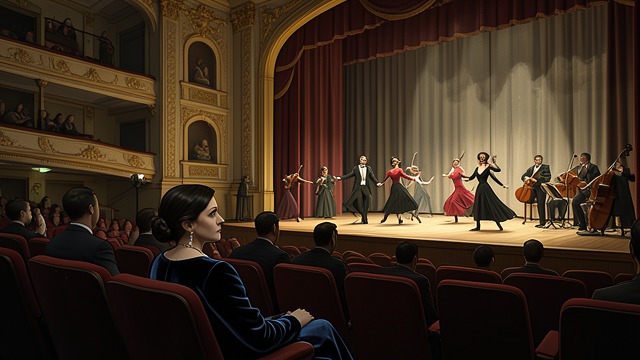
A Disappointing Theatre
Spectacle Observed
The Empress attends a play and finds the scenery, dancing, and music more engaging than the dramatic action.
Aesthetic Question
Her response challenges the assumption that accepted theatrical conventions necessarily produce the strongest experience.
The Duchess's Defense
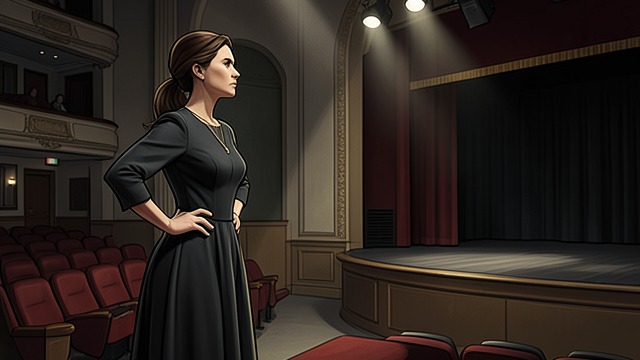
The Duchess's Defense
Rules and Judgment
The Duchess explains that fashionable critics reject her plays for failing to follow established rules, even when she believes their descriptions have merit.
A Different Standard
The exchange separates artistic value from conformity to the current mode.
A Natural Theatre
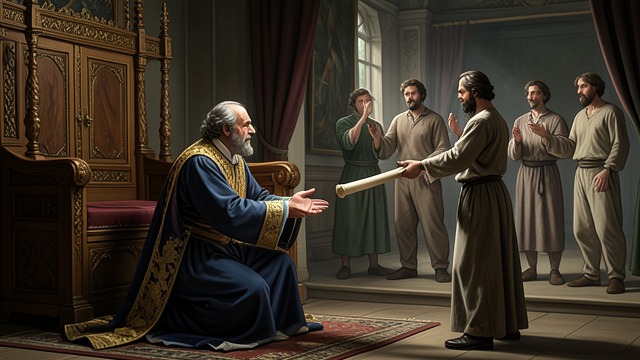
A Natural Theatre
The Emperor's Request
The Emperor asks for guidance in creating a theatre and values natural descriptions of human action over artificial method.
Opportunity Offered
The Duchess considers bringing her own plays to a court willing to judge them by different standards.
The Duchess's Promise
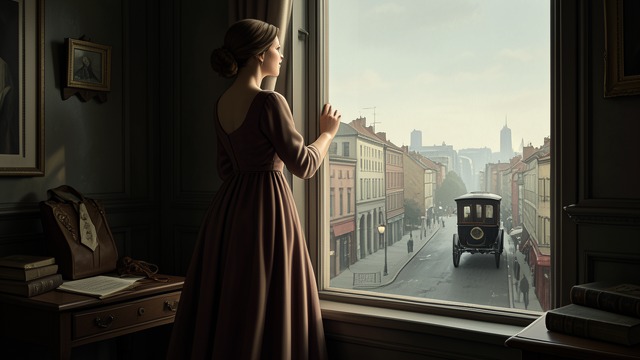
The Duchess's Promise
Future Work
The Duchess offers to help arrange plays and farces for the imperial theatre on a later visit.
A Delayed Outcome
Her promise remains unrealized in the narrative, but it marks a possible meeting between her writing and a receptive audience.
An Alternative Audience
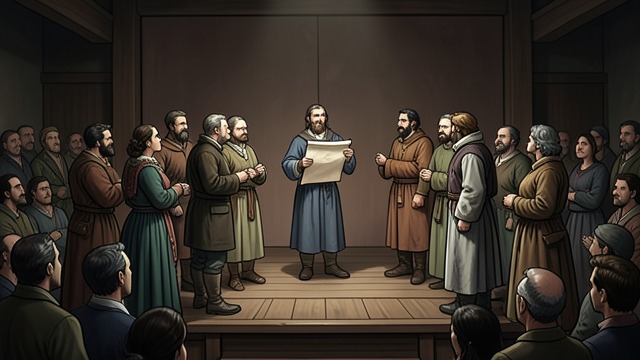
An Alternative Audience
Beyond Fashion
The Blazing-World is presented as a place where the Duchess's dramatic designs might be staged outside the conventions that limited them at home.
Creative Recognition
The theatrical subplot extends the book's defense of invention into literary form and performance.
During the Empress and Duchess's visit to the native world
Immediately after the performance
During the Emperor's later conversations
Before the Duchess returns home
Near the book's end
